
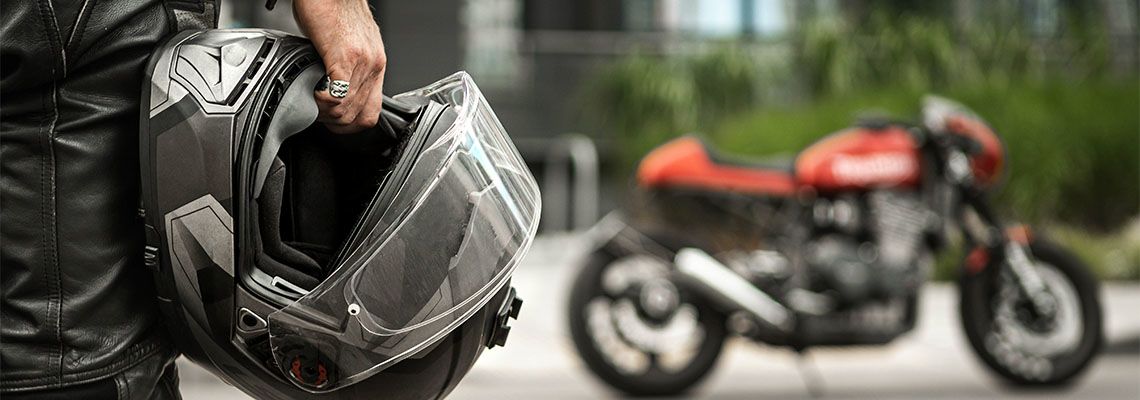
Motorcycle Helmet Use and Injury Claims: What the Law Says
Motorcycle accidents can lead to catastrophic injuries, life-altering consequences, and complicated legal claims. For riders in Texas, understanding helmet laws and their impact on personal injury claims is essential. As a personal injury attorney, I often encounter questions from motorcyclists about whether helmet use affects their rights in an accident claim.
At Rodman Law Office, I have the knowledge, resources, and experience you need to pursue the compensation you deserve after a motorcycle accident. I will gladly fight for your rights while you focus on recovery. I proudly serve clients in Austin, Texas, and surrounding communities throughout the state, including Travis County, Williamson County, and Hays County. Reach out today to learn more.
What are Texas Motorcycle Helmet Laws?
Texas has specific motorcycle helmet laws that all riders should be aware of. According to the Texas Department of Transportation, riders under the age of 21 are required by law to wear a helmet while operating or riding on a motorcycle. For riders 21 and older, helmet use is optional, but only if they meet certain requirements. To legally ride without a helmet in Texas, riders must have completed a Department of Public Safety-approved motorcycle safety course or carry health insurance that covers motorcycle-related injuries.
While the law allows some riders to forgo helmets, wearing one is always a wise decision. Helmets are proven to reduce the risk of severe head injuries and fatalities in accidents. Choosing to wear a helmet can also affect personal injury claims, so it is vital to speak with a trusted personal injury attorney to analyze your options.
Does Wearing a Helmet Affect Injury Claims?
One common question I hear from clients is whether not wearing a helmet at the time of an accident will impact their ability to file an injury claim. The answer varies depending on the circumstances of the case.
Texas follows a modified comparative fault rule, which means your compensation can be reduced if you are found partially at fault for your injuries. For example, if you weren’t wearing a helmet and sustained head injuries in a crash, the opposing party’s insurer might argue that you contributed to the severity of your injuries by choosing not to wear a helmet. While Texas law does not mandate helmet use for riders over 21 in certain situations, this argument could still negatively impact the settlement amount you receive.
However, if your injuries are unrelated to head trauma—for instance, broken bones or spinal injuries—your helmet use (or lack thereof) may not be a significant factor in determining liability or damages. This is why it’s critical to have a skilled attorney advocate for your rights and present evidence to counter any claims of negligence.
The Role of Comparative Fault in Motorcycle Accident Cases
Comparative fault plays a critical role in Texas personal injury claims. Under the state’s modified comparative fault system, you can recover compensation as long as you are not more than 50% at fault for the accident. However, your total recovery will be reduced by your percentage of fault.
For instance, if you are awarded $100,000 in damages but found to be 20% at fault for your injuries, you would only receive $80,000. If not wearing a helmet is deemed to have contributed to your injuries, this could increase your percentage of fault.
Why Helmet Use Matters Beyond the Law
Although Texas allows exceptions for helmet use, the statistics tell a compelling story. According to the National Highway Traffic Safety Administration (NHTSA), helmets are approximately 37% effective in preventing motorcycle fatalities and 67% effective in preventing brain injuries. Choosing to wear a helmet isn’t just about complying with the law; it’s about prioritizing your safety and minimizing your risks.
From a legal standpoint, wearing a helmet can strengthen your position in the event of an injury claim. Insurance companies are less likely to dispute the severity of your injuries or argue that you contributed to your own harm when you’ve taken reasonable precautions to protect yourself.
How I Can Help With Your Motorcycle Injury Claim
Handling a motorcycle accident claim in Texas can be overwhelming, especially if you’re dealing with serious injuries and mounting medical bills. I am here to provide the support and guidance you need during this difficult time. Whether or not you were wearing a helmet, you still have the right to pursue compensation if you were injured due to someone else’s negligence.
With my deep understanding of Texas motorcycle laws and extensive experience handling personal injury cases, I am committed to fighting for the best possible outcome for you. I will work tirelessly to build a strong case, negotiate with insurance companies, and confirm that your rights are protected every step of the way.
Compassionate Legal Guidance After an Accident
Texas motorcycle helmet laws give riders some freedom to choose whether to wear a helmet, but that choice can have significant consequences in the event of an accident. While the law allows some riders to forgo helmets, the decision to wear one can protect your health and strengthen your injury claim.
If you’ve been injured in a motorcycle accident and have questions about how helmet use might affect your case, don’t hesitate to reach out. At Rodman Law Office, I’m here to provide you with the information and representation you need to obtain the compensation you deserve.